
How Noodle works

Noodle is a whole kitchen built around children: what they can ask, how answers are pitched, how much they can use in a day, and what you see. Here's every part, in plain English.

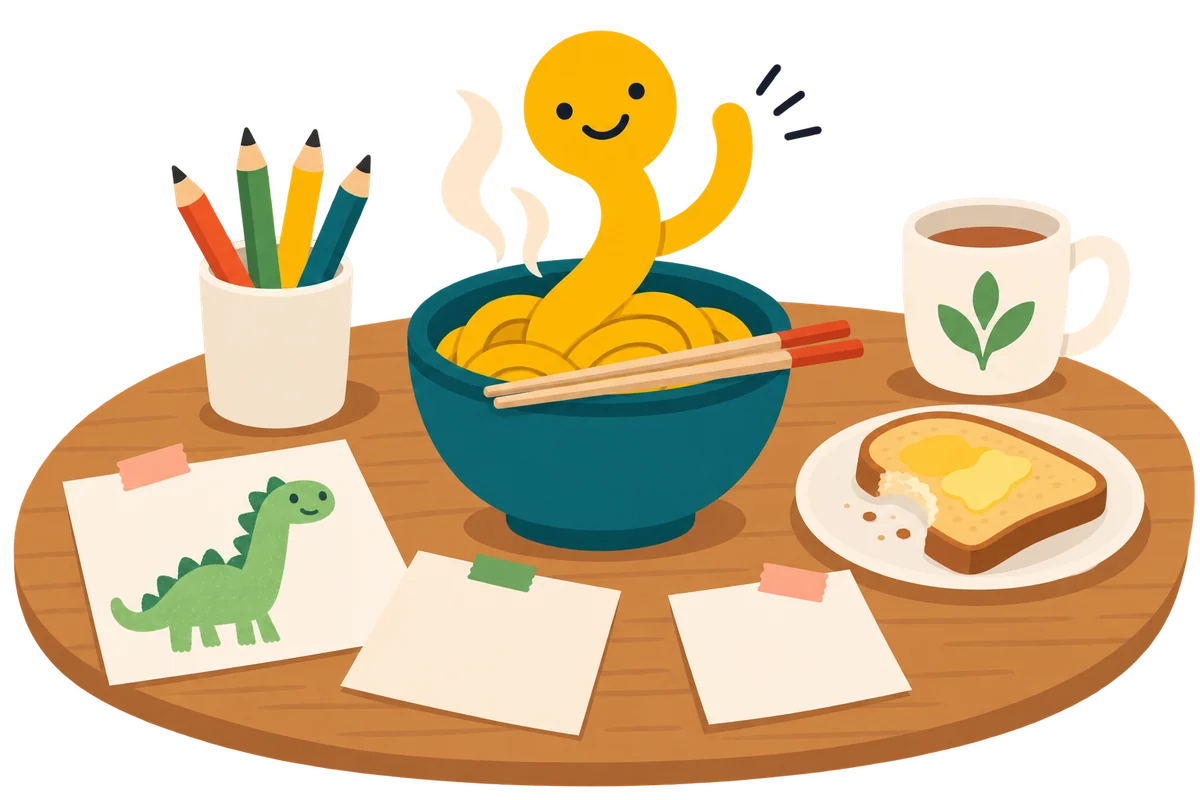
A kitchen table with Noodle waving from a steaming bowl, colouring pencils, toast, a child's dinosaur drawing and taped notes

What happens when your child asks something

Five steps, every time, in a few seconds. If a safety check can't run, Noodle doesn't guess: your child is asked to try again in a minute.

Noodle sitting safe in a red colander full of noodles while only water drips through into a bowl

The recipe for a safe answer

  1. Your rules go in firstQuiet hours, the family's word list and each child's own rules are checked before anything else.
  2. The question is checkedA dedicated safety check reads it, and a second one looks for tricks to get round the rules.
  3. Noodle answers at their levelPitched to their age, in the way they asked for: an answer, a hint, a story or a quiz.
  4. The answer is checkedBefore your child sees it. If it isn't right for them, they get a kind note instead.
  5. You can see it allEvery chat is in your parent dashboard, including answers your child was never shown.
Four ways to use Noodle

Younger children tap a picture to start. Older ones pick what they're after.

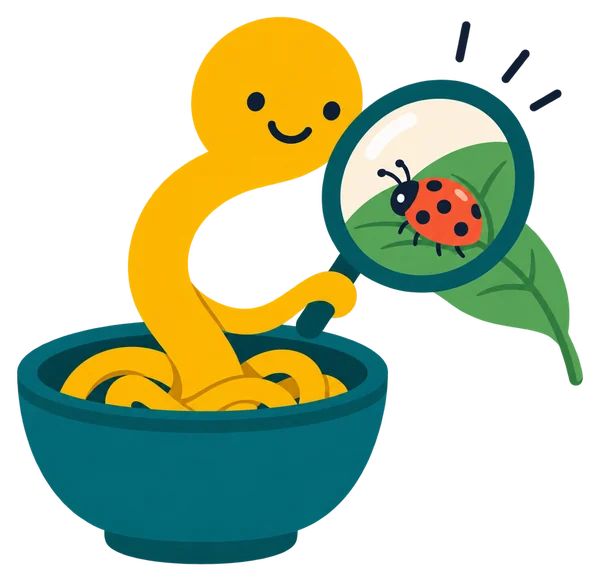
Noodle looking at a ladybird through a magnifying glass

Ask

Why is the sky blue? How do bees make honey? Clear, true answers sized for their age, and honest when Noodle isn't sure.

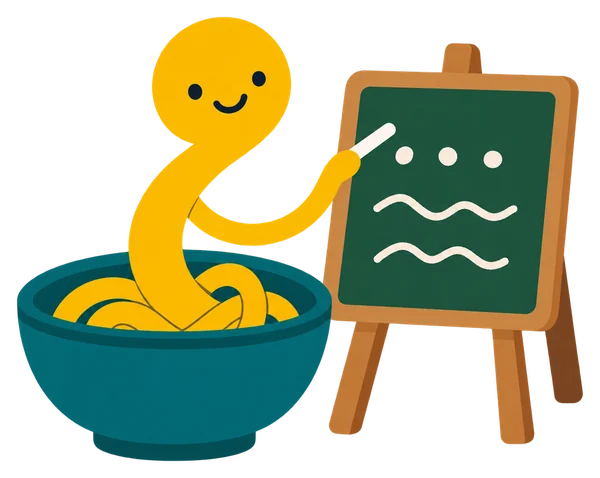
Noodle at a little chalkboard, like a patient teacher

Learn

A patient tutor for homework. Noodle gives hints and asks the next question, so they get there themselves.

Noodle painting a rainbow at an easel

Create

Stories, poems, jokes and games, made together. Noodle builds on their ideas instead of replacing them.

Noodle holding up an answer card with a big tick

Quizzes

"Quiz me on my times tables": Noodle asks one question at a time, they tap an answer, and Noodle says whether they got it and why. Ready-made quizzes are free.

Learning to use AI, by using it

Asking AI a good question is a skill. Noodle teaches it as they go, so they get better answers here and everywhere else.

Why it matters, with examples

Noodle beside a recipe card of house rules, with ticks down the side

Prompt tips

Ask something vague and Noodle suggests a sharper way to ask it, with a button to try it. Six short lessons cover the rest: be specific, set the scene, say how you want it, one change at a time, check it, keep it private.

Picture Recipes

Pick the ingredients on cards and Noodle cooks a picture. Then change just one ingredient and watch what changes. Nobody types anything, so nothing unsafe can be asked for.

Games for teens

Catch the AI out (one of five facts is made up), Prompt Golf (hit the target in the fewest words), Meme Recipes, and Crack the vault, which you switch on if you'd like them to learn how AI gets tricked.

You see it too

Each child's card in your dashboard shows the skills they've tried and the pictures they've made. No scores, no streaks.

Plenty of questions, with limits you choose

Free families get 100 questions a day to share, Family gets 1,000, and Family Plus is unlimited, with a fair-use limit of 5,000 a day. The count resets at midnight, and you can set a daily limit for any child whenever you like.

  • One message, answered, is one question, and so is a tapped answer to a quiz Noodle writes. Ready-made quizzes are free.
  • Blocked questions don't count, and nor do old chats or checking quiz answers.
  • Homework help counts as one too, on every plan.
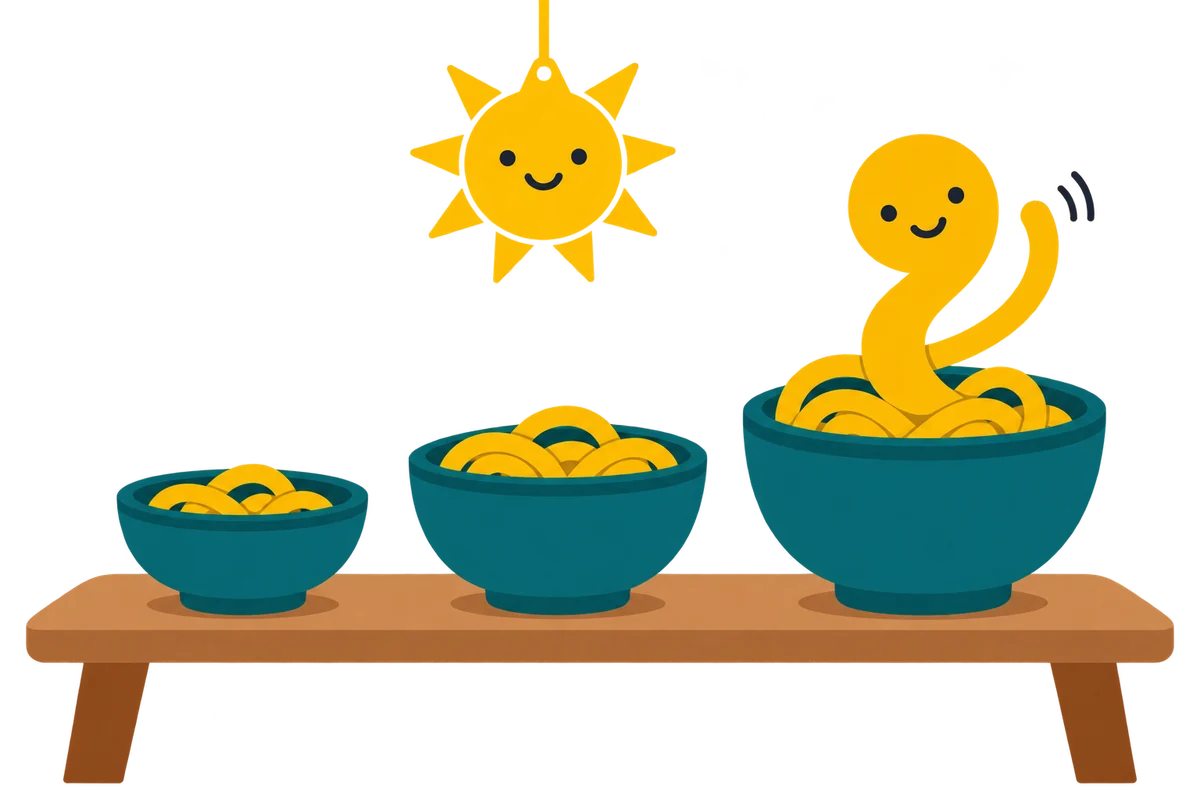
A row of Noodle's bowls, full for the day
100 a dayfor the family, on Free
1,000 a dayfor the family, on Family
Unlimited Fair use: up to 5,000 questions a day for the family, far more than children ask. It's there to keep automated use out, along with a limit of about 6 questions a minute for each child.on Family Plus
Your child seesa little bowl that empties as they go, on Free or when you set a limit. Teenagers see "14 left today". On paid plans with no limit, there's nothing to count.

Your parent dashboard, the Kitchen

Where grown-ups set things up and keep an eye on things, from a phone or a laptop.

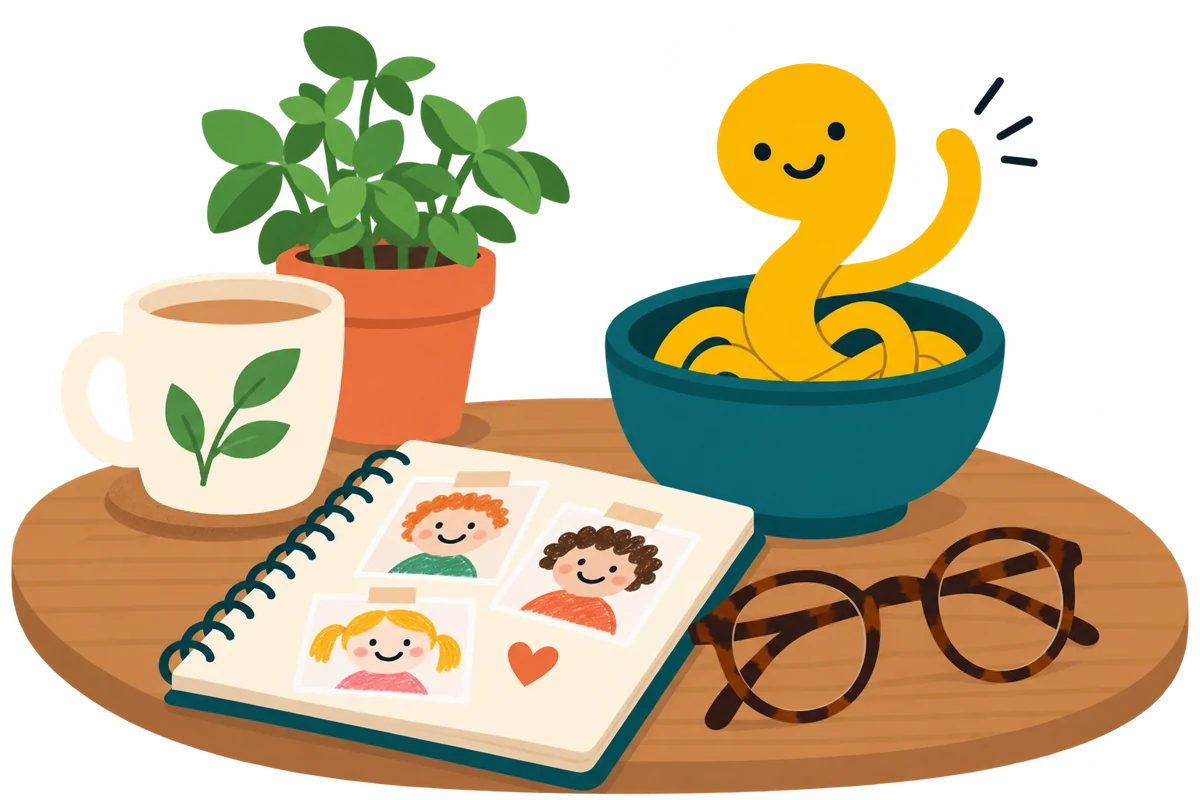
A grown-up's corner of the table: a scrapbook of children's drawings, reading glasses, a cup of tea, a plant, and Noodle leaning in
  • Every conversation, including answers stopped before your child saw them.
  • Alerts that matter, with a separate, urgent path if a child seems to be struggling.
  • Rules for each child, changeable straight from the chat that prompted them.
  • Quiet hours, so Noodle sleeps at bedtime and during school.
  • Devices added with an 8-character club code or a QR code. No child accounts, emails or passwords.

Private by design

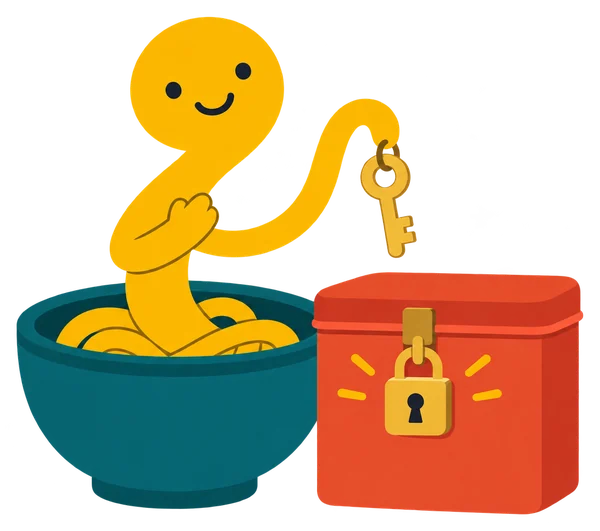
Noodle with a hand on its heart beside a padlocked recipe tin

Each family's chats live in their own private store, separate from every other family's. They're never sold, never shown to anyone outside your family, and never used to train AI.

Noodle's answers come from carefully chosen open-source AI models, run on Cloudflare's network, with a dedicated safety check on every message. Picture Recipes uses OpenAI's image model, which only ever sees the picture cards your child taps, never anything they type. You can delete your family's data at any time, and a download of everything is coming before we open to every family.

Noodle listening, with a question mark in a thought bubble

Questions parents ask

Will Noodle just do my child's homework?

No. Noodle coaches: it breaks the problem down and asks the next question. You can see every homework chat in your dashboard.

Can my child talk to other people on Noodle?

No. There are no other users, no feeds and no sharing. It's your child, Noodle, and you.

What if my child asks something worrying?

If they seem to be struggling, Noodle answers kindly, points them to Childline and tells you straight away. Other worrying questions are blocked or flagged according to your rules.

Does Noodle make mistakes?

Sometimes, like any AI. Noodle says when it isn't sure and encourages children to check important things, which is a habit worth learning young.

Is the free plan really free?

Yes: 100 questions a day for up to three children to share, with every safety feature, for as long as you like. See what the paid plans add.

Noodle cheering in its bowl

Ready to try it with your family?

Start free